
Neuroinflammation
Neuroinflammation, defined as an inflammatory reaction within nervous tissue, arises as a mechanism to protect the brain and spinal cord against potential harm from toxic stimuli including protein aggregates, neuronal injury, and infection. This response involves activation of glial cells, secretion of inflammatory mediators, production of reactive oxygen and nitrogen species and is typically highly regulated and quickly resolved.
Continued exposure to a harmful stimulus can lead to chronic neuroinflammation, characterized by persistent glial cell activation, sustained release of inflammatory mediators, breakdown of the blood-brain barrier, and increased migration of peripheral immune cells into the central nervous system. These events establish a feedback loop that perpetuates and prolongs neuroinflammation. Research has shown that sustained neuroinflammation can contribute to the development and progression of many neurodegenerative diseases and neurological disorders.
Key Neuroinflammation Product Categories





Explore Neuroinflammation Research Areas
Blood-brain Barrier Permeability
The blood-brain barrier (BBB) is a protective layer of endothelial cells with tight junctions that ensure selective permeability, maintaining central nervous system (CNS) homeostasis by controlling molecular flux and shielding neural tissue from toxins. While it limits immune cell entry, the BBB allows regulated cell trafficking of T cells and monocytes for immune surveillance. In pathological conditions, BBB disruption leads to excessive immune infiltration and neuroinflammation, contributing to disorders like multiple sclerosis, Alzheimer's, and stroke. Understanding the mechanisms behind BBB function, selective permeability, and immune cell trafficking is critical for developing therapeutic strategies aimed at moduling neuroinflammation without compromising CNS protection. Learn more about blood-brain barrier permeability.
Featured Products for Blood-brain Barrier Permeability

Small Molecules for BBB Research
Explore our wide range of small molecules targeting either protease-activated receptors, multidrug transporter or cell adhesion molecules to support your advanced studies in neurobiology and brain barrier mechanisms.
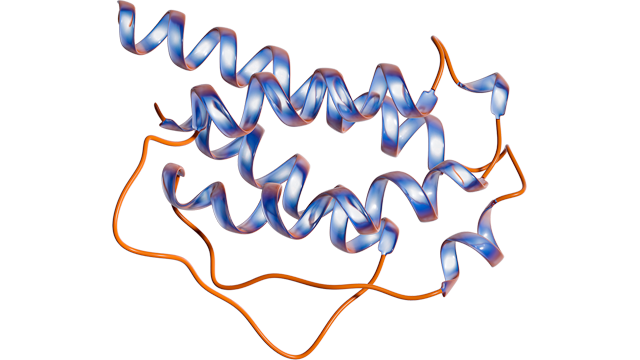
Recombinant Proteins
Model neuroinflammatory conditions and BBB disruption using cytokines, chemokines, and growth factors that regulate endothelial activation, permeability, and immune cell trafficking.
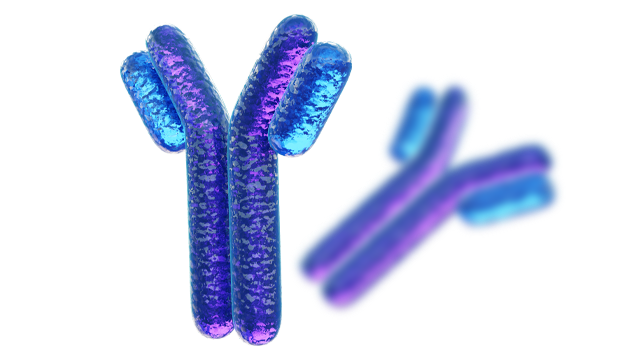
BBB Permeability Antibodies
R&D Systems portfolio provides a comprehensive collection of antibodies to key BBB structural and activation proteins that are essential for evaluating BBB permeability.
Cells of the Immune System
The central nervous system (CNS) consists of specialized neuroimmune cells crucial for homeostasis, immune surveillance, and inflammatory responses. Principal cell types include resident innate immune cells—microglia; infiltrating macrophages and monocytes; adaptive immune T cells; and astrocytes, which actively modulate neuroimmune signaling. These cells collectively coordinate neuroimmune processes essential for CNS integrity, however, their dysregulation contributes to neuroinflammatory and neurodegenerative pathologies. Learn more about cells of the immune system.
Featured Products for Cells of the Immune System
Immune Cell Markers
Explore our interactive tool to identify cell surface and intracellular markers for immune system cells.
Measure Immune Cell Cytokine Responses
Quantify cytokines secreted by T cells, B cells, monocytes, macrophages, microglia, and other immune cell populations using sensitive, reproducible ELISA kits for immune profiling and functional studies.
Cell Culture Reagents
R&D Systems portfolio provides optimized media supplements, serum replacements, and growth factors designed to support your immune system cell cultures.
Microglia Activation During Neuroinflammation
Microglia activation during neuroinflammation is a critical immune response within the central nervous system, where microglia—the resident immune cells of the brain—transition from a resting to an activated state in response to injury, infection, or disease. Activated microglia release pro-inflammatory cytokines, chemokines, and reactive oxygen species that contribute to the inflammatory environment aimed at clearing pathogens and damaged cells. However, prolonged or excessive activation can lead to chronic inflammation, neuronal damage, and is implicated in various neurodegenerative diseases such as Alzheimer's, Parkinson's, and multiple sclerosis. Understanding the mechanisms of microglial activation is essential for developing therapeutic strategies targeting neuroinflammatory conditions.
Microglia Activation Products
To study microglia activation during neuroinflammation, discover our antibodies, and small molecules. Together, these products provide comprehensive tools to investigate microglial function and neuroinflammatory processes.
Microglia Activation Markers
R&D Systems portfolio offers a range of microglia markers for investigating the different microglia activation states.
RNAscope™ Technology
Detect and spatially resolve microglia-associated transcripts in situ with high specificity and sensitivity with RNAscope RNA ISH assay. RNAscope probes can be custom-designed to target transcripts of genes involved in microglial activation.
Neuroinflammatory Factors
Neuroinflammation is primarily mediated by a complex network of signaling molecules, including cytokines, chemokines, growth factors, and other inflammatory mediators. Together, these neuroinflammatory factors constitute an intricate and highly regulated milieu essential for CNS immune defense, with maladaptive or chronic activation contributing to the pathogenesis of neurodegenerative diseases and neurodevelopmental disorders. Understanding the cellular sources, receptor-mediated signaling pathways, and cross-talk among these mediators remains fundamental for developing targeted therapeutics to modulate neuroinflammation.
Featured Products for Neuroinflammatory Factors
Cytokines, Chemokines and Growth Factors
R&D Systems portfolio provides high-quality cytokines, chemokines, and growth factors essential for advancing neuroinflammation research.

ELISA Kits
Precisely measure key cytokines and other neuroinflammatory factors with our market’s trusted ELISA kits. Choose from ready-to-use Quantikine™, fast QuicKits™, or versatile DuoSet™ ELISAs for reliable, reproducible results every time.

Multiplex Cytokine Assay Kits Luminex Assays
Multiplex Cytokine Assay Kits detect multiple cytokines in one sample. R&D Systems portfolio offer Proteome Profiler Antibody Arrays, Luminex® Assays (up to 50 analytes), and Simple Plex ELISAs with fast, sensitive results.
CB2 Receptors (CB2 R) | ITK (ITK) |
Cell Adhesion Molecules | Leukotriene and Related Receptors |
Complement | NFAT (View All) |
Nitric Oxide Signaling | |
Cytokines and Receptors | Prostanoid Receptors |
Gap Channels | Purinergic (P2Y) Receptors |
Indoleamine 2,3 Dioxygenase (IDO) | RAGE (AGER) |
Inflammasomes | STING-Dependent Signaling (STING) |
Toll-like Receptors (View All) |
Neuroinflammation Signaling Pathways
Browse interactive neuroscience-related signaling pathways:
- Blood-Brain Barrier and Immune Cell Transmigration: Pathways Overview
- Blood-Brain Barrier and Immune Cell Transmigration: CCL2/MCP-1 Signaling Pathways
- Blood-Brain Barrier and Immune Cell Transmigration: ICAM-1/CD54 Signaling Pathways
- Blood-Brain Barrier and Immune Cell Transmigration: VCAM-1/CD106 Signaling Pathways
- Blood-Brain Barrier and Immune Cell Transmigration: VEGF Signaling Pathways
- Blood-Brain Barrier Pathway: Anatomy
- Microglia Activation During Neuroinflammation: Overview
- Microglia Activation During Neuroinflammation: Steady-State Microglia
- Microglia Activation During Neuroinflammation: Microglia Activation
- Microglia Activation During Neuroinflammation: Microglia Polarization
Neuroinflammation Research Tools Guide
This brochure outlines the neuroinflammatory process and its chronic cycle, highlighting the extensive research tools to study its various stages.
Immunoassay Solutions for Neuroinflammation Brochure
This brochure outlines a comprehensive selection of immunoassays designed specifically for neurodegenerative disease and neuroinflammation research.

IHC Handbook
This handbook offers a thorough introduction to IHC and will serve as a handy reference for designing, performing, optimizing, and troubleshooting IHC protocols.
Additional Resources for Neuroinflammation Research

Posters

Alzheimer's Disease Neuropathology and Epidemiology Life Science Poster
Huntington's Disease: Pathophysiology and Clinical Prospects Life Science Poster
Parkinson's Disease: Neurobiology and Therapeutic Strategies poster
Microglia Activation During Neuroinflammation
Suppression of Microglia-Mediated Neuroinflammation by Small Molecule NF-kB Inhibitors
Neuroinflammation: Frequently Asked Questions
Neuroinflammation involves activation of microglia and astrocytes that release cytokines and reactive species, triggered by signals like DAMPs or PAMPs via receptors such as Toll-like receptors.
Biomarkers include pro-inflammatory cytokines (e.g., TNF-α, IL-1β), microglial markers like TSPO detected by PET imaging, and astrocyte marker GFAP.
Neuroinflammation is measured by cytokine assays, PET imaging of microglial activation, flow cytometry, and gene expression profiling of inflammatory markers.
Quantitative techniques involve cytokine assays (ELISA, multiplex), imaging (PET), flow cytometry of isolated CNS cells, and gene expression analyses (qPCR, RNA-seq) focusing on inflammatory markers.
Chronic neuroinflammation is implicated in the pathogenesis of Alzheimer's disease, Parkinson's disease, multiple sclerosis, and others. Persistent inflammation leads to neuronal damage through sustained cytokine release, oxidative stress, and impaired clearance of protein aggregates.